The Essential Guide to NDIS Assistive Technology for Enhanced Independence
Assistive technology and equipment play a crucial role in supporting people with disabilities to achieve…

Recent changes to the National Disability Insurance Scheme (NDIS) are reshaping how supports are defined, funded, and accessed across Australia. These updates, guided by the NDIS Act amendments and the Independent Review, aim to make the scheme more sustainable, transparent, and participant-focused. The new laws take effect from 3 October 2024.
At Empowered Hands, we help participants understand these changes, manage their NDIS plans efficiently, and adapt confidently to the evolving framework. The new laws are designed to provide clarity for participants and stakeholders. Empowered Hands’ support services are truly out there for empowerment.

The Australian Government has introduced significant reforms to the NDIS to strengthen its sustainability and improve how participants access support.
These reforms include several key changes, such as major legislative amendments and core modifications to NDIS processes, which are essential for understanding the scope and impact of the updates.
These updates are designed to:
The goal is to create a more participant-driven system — one that empowers individuals to manage their NDIS funding effectively and ensure their plans last the full duration. These reforms build on current policy to further improve the NDIS.
You can review the government’s official summary at NDIS Reform Updates.
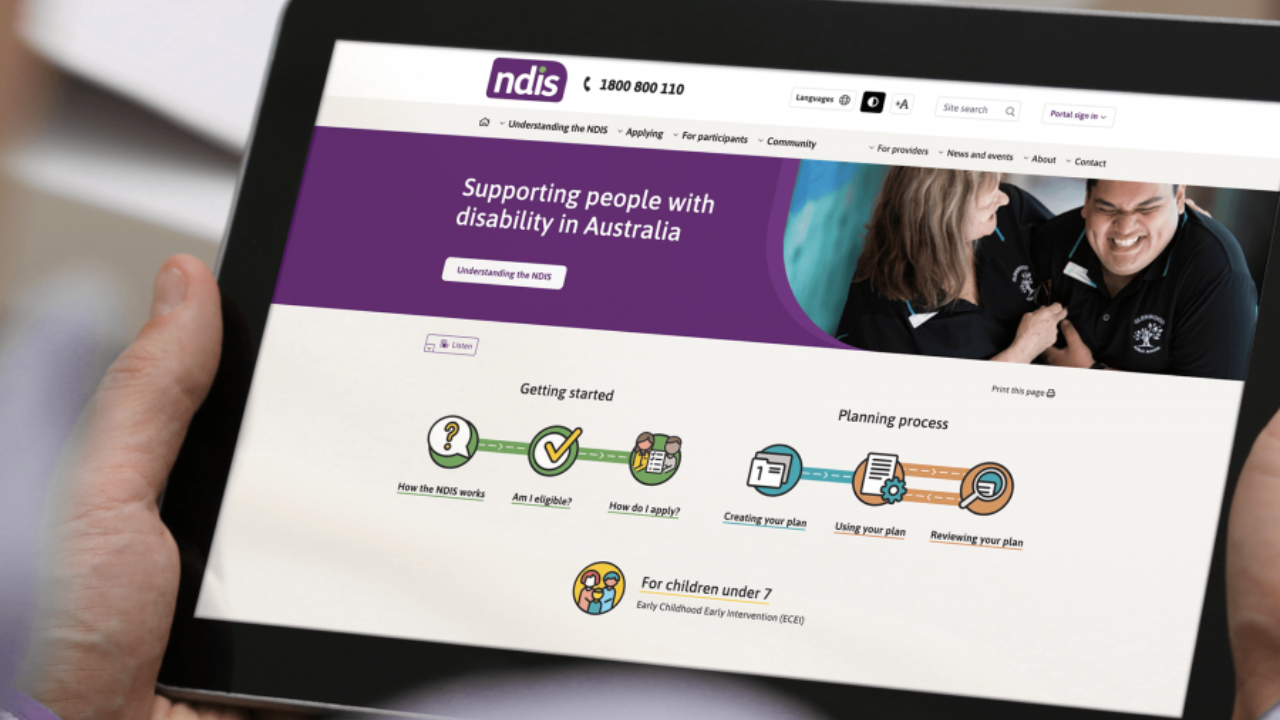
The NDIS Act 2013 has been amended to align with the recommendations of the Independent NDIS Review, focusing on improved definitions and accountability.
Key updates include:
These amendments establish a legislative claims and payments framework, ensuring transparency and accountability in the management of NDIS supports and funding.
These legislative changes ensure that the NDIS remains fair, consistent, and adaptable to each participant’s evolving needs.
Read more at the NDIS Legislation Amendment Summary.
The eligibility process for the NDIS has been streamlined to ensure fairer and more transparent access.
To access the NDIS, participants must meet either the disability requirements or early intervention requirements as set out in the legislation. The NDIS determines if a participant meets access criteria by assessing whether the participant meets the relevant requirements, and issues an impairment notice to confirm eligibility. Prospective participants are assessed based on these criteria to determine if they qualify for the scheme, while existing participants may transition to new frameworks with updated impairment notices to reflect their current status.
Under the new framework, participants must demonstrate that their disability:
Additionally, the definition of NDIS supports has been expanded. It now includes assistive technologies, home modifications, and therapeutic services aligned with early intervention principles.
This ensures participants receive timely and appropriate support that adapts to their life stage.
The Independent NDIS Review, completed in late 2023, played a pivotal role in shaping these reforms.
The review recommended improvements to the planning process and the introduction of formal needs assessments to ensure that participant support needs are accurately identified and addressed.
Its recommendations focused on:

The review’s outcomes informed the creation of a new framework plan model, granting participants more flexibility, while ensuring NDIS funds are distributed equitably.
More details are available in the NDIS Independent Review Final Report.
The new NDIS framework emphasizes personal choice, control, and long-term sustainability. It marks a transition from old framework plans to new framework plans, introducing framework plans as a structural element that formalizes the move to more flexible and needs-based support arrangements.
It introduces a structured approach based on:
This model empowers participants to plan and manage their supports effectively, ensuring that the funding period is designed so that funding lasts for the entire duration of the participant’s plan.

Several new rules and definitions have been added to streamline how supports are approved, delivered, and reviewed.
Key updates include:
These changes are implemented to ensure the NDIS works more efficiently under the updated legal framework. In some cases, supports may be approved or varied in specific circumstances, depending on the criteria set out in the new rules.
These structural adjustments aim to strengthen trust between participants, providers, and the NDIA.
For participants, these changes bring greater autonomy and clarity.
They can now:
This flexibility encourages proactive decision-making and strengthens the participant’s role in shaping their own support journey.
NDIS providers are also adjusting to the new standards.
Providers must ensure all services meet the updated definition of NDIS support, as outlined in recent legislative and policy changes.
Changes include:
Providers like Empowered Hands are committed to maintaining compliance while ensuring participants receive consistent, high-quality care.
For more on provider obligations, visit the NDIS Quality and Safeguards Commission.
The new funding rules aim to improve how participants manage their budgets, with flexibility at the core.
Participants can:
By offering structured yet flexible management, the NDIS ensures that funding is both sustainable and participant-friendly.
The concept of reasonable and necessary remains central to NDIS funding but has now been further defined.
A support is considered reasonable and necessary if it:
These supports must be included in the participant’s plan and managed according to NDIS guidelines to ensure funding is used appropriately.
This clarification aims to reduce confusion and standardize funding approvals across Australia.

A major focus of the reforms is early intervention, particularly for children and young adults.
The NDIS will now provide increased funding and flexibility for therapies that:
These measures reflect the NDIS’s broader commitment to long-term wellbeing and community inclusion.
Participants now have more control over how their plans are managed.
Three main options are available:
The reforms simplify the transition between these management options, ensuring participants can choose the model that best fits their confidence and capabilities.
The NDIS continues to fund a broad range of services under the updated structure, including:
The new rules provide clearer guidance on which supports fall into each category, helping participants make informed and compliant funding decisions. The new definition of NDIS supports clarifies which services are included or excluded under the updated rules, ensuring greater transparency and understanding for all participants.
The NDIS does not operate in isolation.
The reforms strengthen coordination between:
State and territory governments, territory governments, and the federal government all play a key role in implementing NDIS reforms, working together to develop and agree on new rules and policies. The National Disability Insurance Agency collaborates closely with these governments and the disability community to manage funding rules, support legislative updates, and ensure effective service delivery. Involving people with disability in the codesign and implementation of support systems is essential to ensure that reforms meet the real needs of the community.
This integrated approach ensures participants receive comprehensive and coordinated care across different service systems.

To promote fairness and public confidence, the NDIA has introduced new transparency measures.
These include:
These measures are designed to maintain public trust and ensure participant voices remain central in decision-making.
For further information about transparency and accountability measures, consult official NDIS resources.
The National Disability Insurance Scheme (NDIS) is built on the principle that every participant has the right to be heard, respected, and supported in making decisions about their disability supports. With the latest changes to the NDIS Act, the Australian Government has taken further steps to strengthen these rights and ensure all participants can access independent advocacy when needed.
Transitioning to a new framework can be complex.
The government and NDIA have committed to:
At Empowered Hands, we work directly with participants to help interpret these changes and adjust their plans smoothly.

Looking forward, the NDIS aims to balance sustainability with participant empowerment.
Key focus areas include:
The vision is an NDIS that remains strong, equitable, and responsive to future challenges.
The recent NDIS changes mark one of the most significant evolutions in the scheme’s history.
By refining eligibility, clarifying funding rules, and enhancing participant autonomy, the Australian Government aims to build a fairer and more resilient disability support system.
For participants, this is a time to stay informed, review plans regularly, and seek guidance when needed.
At Empowered Hands, we’re here to support every step of that journey — helping participants understand their new options, manage funding effectively, and continue building independence through informed decision-making. We have Supported Independent Living, Domestic Assistance, and Everyday Life Skills Support.
For official updates, visit NDIS News and Announcements or reach out to Empowered Hands Support Services to learn how these changes may affect your plan.