The Essential Guide to NDIS Assistive Technology for Enhanced Independence
Assistive technology and equipment play a crucial role in supporting people with disabilities to achieve…

Assistive technology and equipment play a crucial role in supporting people with disabilities to achieve their goals and live more independently. These tools can range from simple devices like modified cutlery to complex systems such as powered wheelchairs or communication aids.
In addition to helping individuals accomplish daily tasks and reach personal goals, assistive technology also enables greater participation in community activities and promotes social inclusion. This support extends beyond the home and workplace, allowing people to engage more fully in community life.

NDIS assistive technology (AT) is designed to empower people with disabilities across Australia to live more independently and confidently. Under the National Disability Insurance Scheme (NDIS), AT includes a broad range of equipment, devices, and systems that make everyday life easier, safer, and more accessible.
From simple tools like modified utensils to advanced systems such as powered wheelchairs and environmental control units, assistive technology plays a vital role in achieving participants’ goals.
At Empowered Hands, we help NDIS participants identify, access, and manage assistive technology solutions and support services that best support their individual needs, ensuring that every person receives the right tools for greater independence and wellbeing.
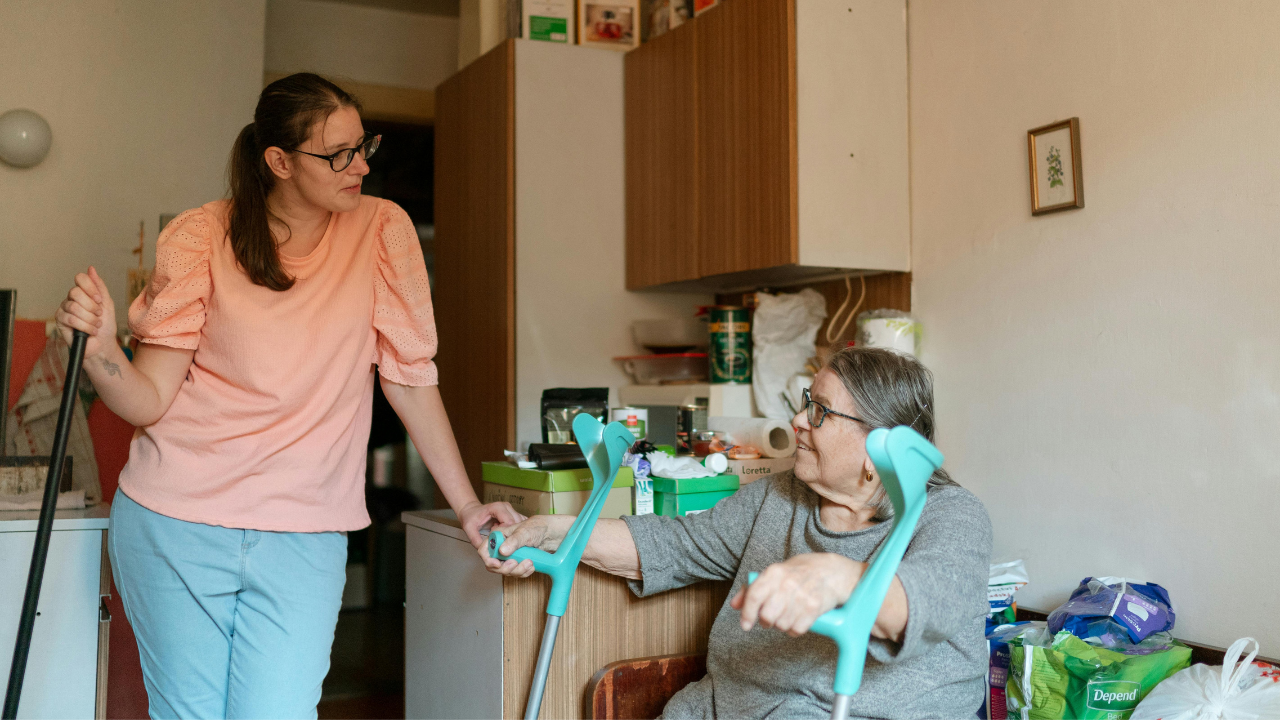
Assistive technology (AT) encompasses any product, equipment, or software that supports people with disabilities to carry out everyday tasks more effectively.
Under the NDIS, AT is funded when it is considered reasonable and necessary to help participants meet their personal goals. Only an NDIS participant can access these supports through their plan. This could include supporting mobility, communication, self-care, or home accessibility.
The National Disability Insurance Agency (NDIA) oversees the approval and funding of AT within participants’ plans. Depending on the complexity of the device, AT can be either a low-cost item or a high-cost system requiring professional assessment.
The NDIS official assistive technology page provides clear guidance on what AT is and how to access it through the scheme.
Assistive technology under the NDIS is divided into categories based on risk level. The risk classification determines how much assessment and approval is needed.
Understanding these risk levels helps participants, families, and support coordinators make informed decisions about AT and funding requirements.
More information about product risk is available through the NDIS Assistive Technology Risk Framework.
The National Disability Insurance Agency (NDIA) classifies assistive technology into three main levels based on cost and complexity: low cost, mid cost, and high cost. Understanding these levels helps NDIS participants and their support teams navigate the funding process and select the most appropriate technology for their needs.
Low cost assistive technology refers to items valued under $1,500. These are typically simple devices such as non-slip mats, walking sticks, and basic shower chairs. Low cost items are often available at retail stores and require little to no setup, making them easy to access and implement for everyday support.
Mid cost assistive technology includes items valued between $1,500 and $15,000. Examples are standing hoists, customised shower chairs, and alternative communication devices. These devices may require some professional input for selection and setup, ensuring they are tailored to the participant’s specific disability and support needs.
High cost assistive technology covers items valued over $15,000, such as custom-made wheelchairs, complex communication systems, and prosthetics. These solutions often demand specialised knowledge for both prescription and installation, and the funding process is more involved to ensure the technology is safe, effective, and suitable for the participant.
By understanding the different levels of assistive technology, participants can better plan their funding requests, access the right devices, and work with their support teams to achieve greater independence and quality of life.
NDIS funding for assistive technology is divided into three cost-based categories:
How much funding may be available depends on the cost category of the assistive technology. Accurate costing and detailed quotes are important for approval, especially for mid and high-cost items.
Participants must ensure the funding aligns with their plan and seek advice from a support coordinator or allied health professional if unsure.
There is a wide range of AT available, covering multiple areas of everyday life skills supports and mobility:
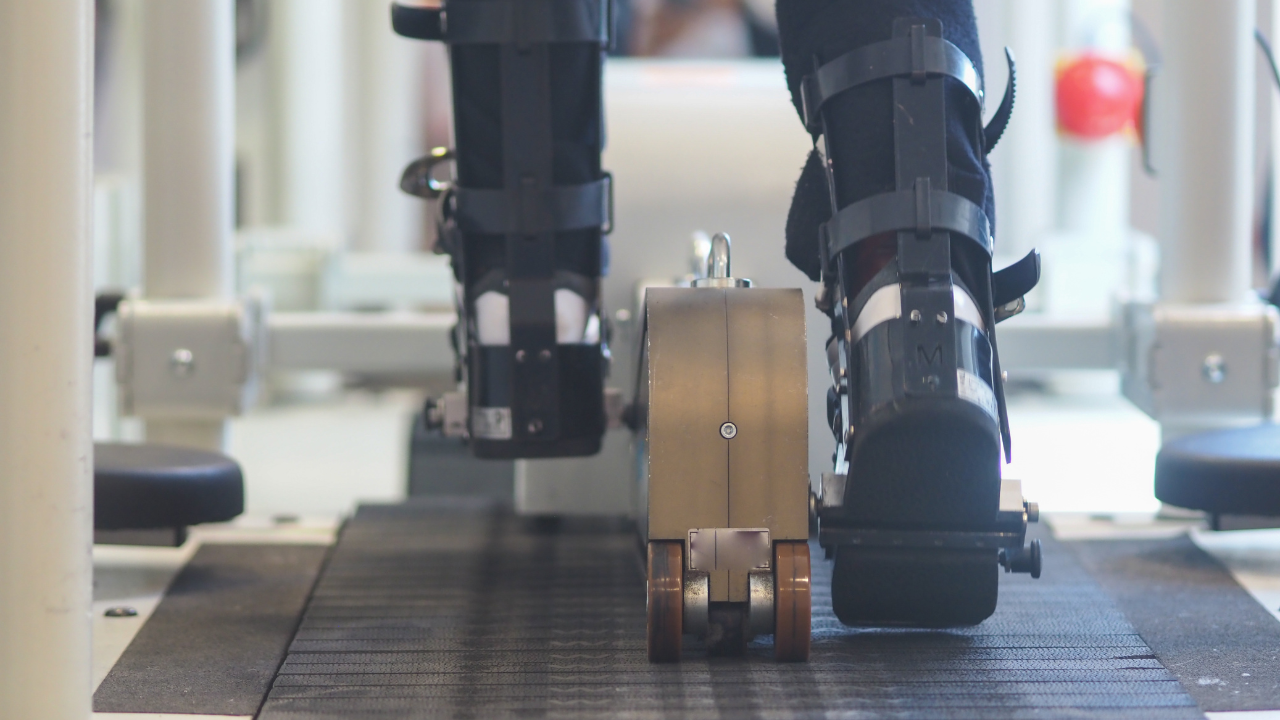
Every AT option serves a unique purpose, so consulting a qualified occupational therapist (OT) or allied health practitioner is essential to ensure suitability and safety.
Professional assessments are vital to identifying the most effective assistive technology for each participant.
Qualified practitioners such as occupational therapists, physiotherapists, allied health practitioners, continence nurses, and rehabilitation engineers can:
At Empowered Hands, we collaborate closely with healthcare professionals to ensure participants receive AT that meets both functional needs and NDIS standards.
Choosing the right provider is just as important as choosing the right equipment.
Participants should:
Empowered Hands assists participants in evaluating AT providers, ensuring quality, safety, and reliability in every purchase or rental.
NDIS funding applications for assistive technology often require documentation to confirm the participant’s needs.
Participants should prepare:
For high-cost assistive technology, the NDIS requires both an assessment by a qualified professional and a detailed quote. Written advice from an advisor or assessor is often necessary for approval.
Proper documentation reduces delays and increases the likelihood of funding approval.
The NDIS provides official guidance in their Assistive Technology Guidelines.
Home modifications are an important part of assistive technology. They help participants remain safe and independent in their own homes.
Examples include:
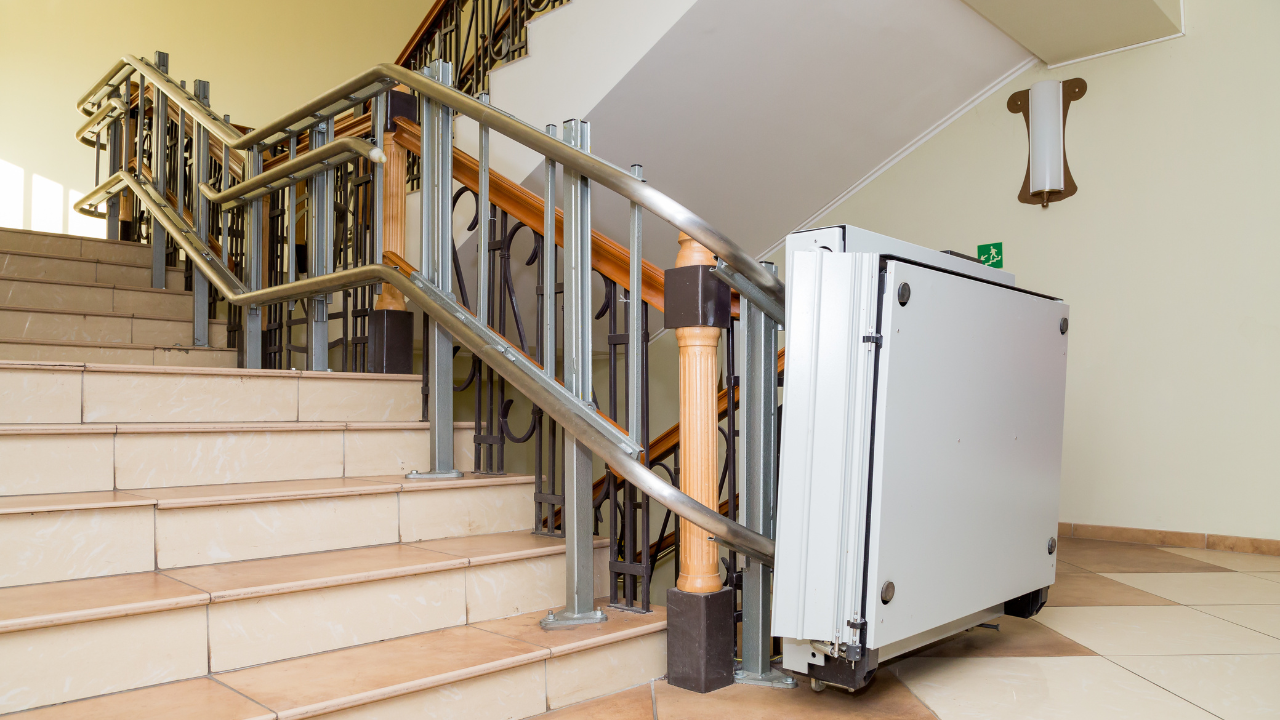
Funding for home modifications usually comes from the Capital Supports Budget. Assessments from an OT are necessary to determine design, safety, and compliance.
Learn more at NDIS Home Modifications.
Mid cost assistive technology options are designed to bridge the gap between basic aids and highly specialised equipment, offering significant support for NDIS participants with more complex needs. These items, typically valued between $1,500 and $15,000, can be funded through the Capital Supports budget in an NDIS plan.
To access mid cost assistive technology, participants usually need to provide written evidence from an allied health practitioner, such as an occupational therapist. This professional assessment helps justify the need for the item and ensures it is the most suitable choice for the participant’s daily life and goals. The National Disability Insurance Agency may also require a quote from a provider to confirm that the cost is reasonable and aligns with NDIS guidelines.
Examples of mid cost assistive technology include powered wheelchairs, pressure care mattresses, and customised seating systems. These devices can make a significant difference in a participant’s ability to perform tasks independently and participate more fully in daily activities.
It’s important for participants to seek advice from a support coordinator or occupational therapist when considering mid cost assistive technology. These professionals can help identify the most appropriate options, guide participants through the funding process, and ensure that the technology selected will provide the greatest benefit and support.
High-cost and high-risk AT requires detailed assessment and oversight to ensure participant safety and effectiveness.
Participants should:
The NDIA’s careful review process ensures that participants receive safe, durable, and effective AT that meets long-term needs, and that funded supports, including replacements and upgrades, are aligned with the participant’s ongoing needs.
AT maintenance is crucial to ensure equipment continues to function properly specially on domestic assistance.
Participants should:
Empowered Hands can support participants in coordinating equipment maintenance and liaising with suppliers for upgrades or replacements when necessary.
Understanding how assistive technology fits into your NDIS plan helps participants make better use of available funding. Participants must ensure their plan will fund the required assistive technology and related NDIS supports, as funding approval is essential for accessing these items.
Participants can:
Proper financial planning ensures that assistive technology and other NDIS supports remain sustainable and effective over time.
At Empowered Hands, our mission is to help NDIS participants achieve independence through the right support and guidance.
We assist in:
We believe that empowering individuals begins with giving them access to the right resources and reliable information.
When purchasing assistive technology through the National Disability Insurance Scheme (NDIS), obtaining independent advice is a key step in making informed decisions. NDIS participants are encouraged to seek advice from qualified professionals such as occupational therapists, rehabilitation engineers, and continence nurses. These experts can help identify the most suitable assistive technology and equipment based on the participant’s unique needs and goals.
Independent advice is especially valuable for navigating the NDIS funding process, ensuring that participants access the most appropriate supports and avoid unnecessary or unsuitable purchases. The National Disability Insurance Agency recommends that participants allocate at least $500 in their Capacity Building budget specifically for seeking independent advice about assistive technology.
Participants can upload their advice documents directly to the NDIS MyPlace portal or the NDIS website, attaching them to their NDIS record for easy reference during planning meetings and funding reviews. By seeking independent advice, participants can confidently identify the right devices and supports to help them achieve their NDIS goals, enhance their daily life, and make the most of their funding.
Whether you are new to assistive technology or looking to upgrade your current equipment, professional advice ensures you are supported every step of the way in your journey toward greater independence. For more information on the role of allied health professionals in assistive technology, visit Allied Health Professions Australia.

Additionally, the Australian Government Department of Social Services provides comprehensive resources on assistive technology funding and support options.
The NDIS landscape is always evolving, and participants benefit greatly from staying informed.
Resources such as:
These offer comprehensive, trustworthy insights into available devices, services, and funding options.
For further information about assistive technology options and support, contact Empowered Hands or visit the NDIS website.
Participants often face challenges such as delayed funding approval, lack of suitable equipment, or uncertainty about eligibility.
The best approach is to:
A proactive and informed approach helps participants receive their AT with minimal delays.
The process of applying for AT funding typically includes:
This process ensures each participant receives AT tailored to their unique needs and goals.
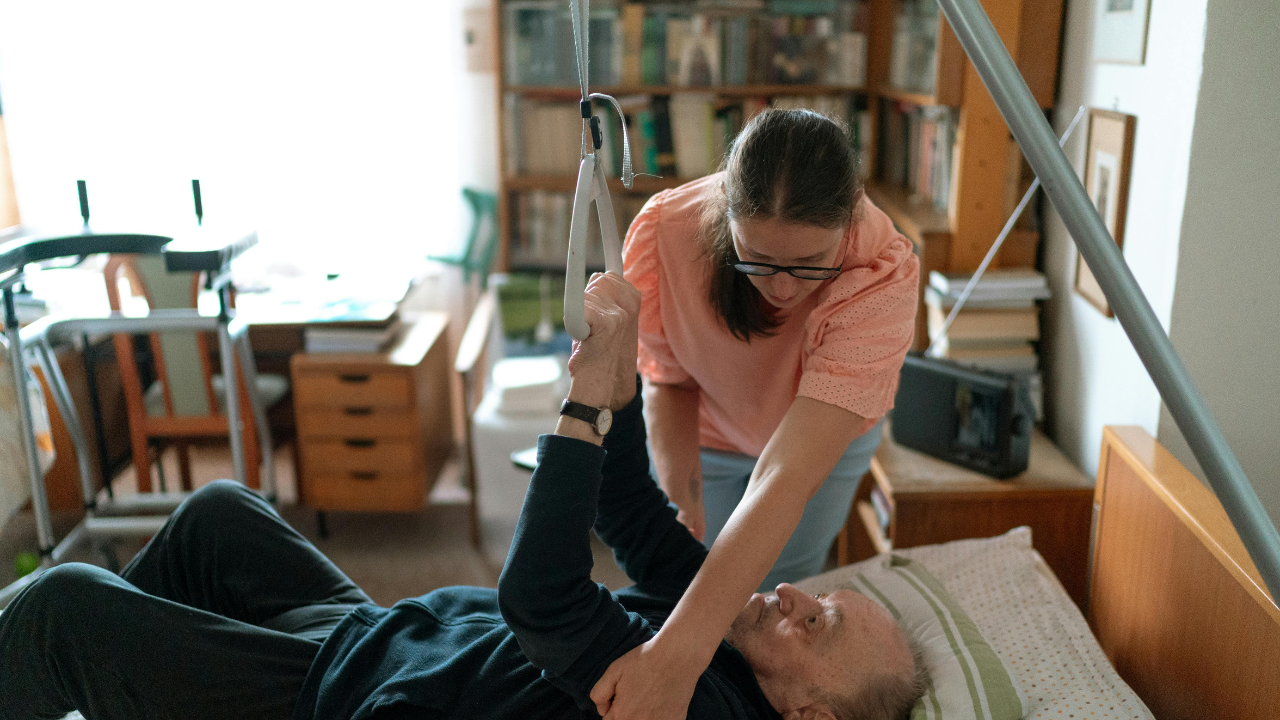
Assistive technology represents more than just devices—it represents freedom, dignity, and empowerment.
Through the NDIS, participants across Australia can access the support they need to lead more independent lives.
At Empowered Hands, we continue to help participants make informed choices, manage their funding, and maintain the equipment that enhances their everyday lives.
To learn more, visit Empowered Hands Support Services and take your next step toward independence.