The Essential Guide to NDIS Assistive Technology for Enhanced Independence
Assistive technology and equipment play a crucial role in supporting people with disabilities to achieve…

Access to quality disability services is fundamental in helping people with disability lead fulfilling and independent lives. In New South Wales, Tasmania, and across Australia, a wide range of supports are available, from early intervention programs to independent living options, all designed to empower individuals and their families. Government advisory bodies and councils also provide expert advice on disability-related policies and services.
This guide explores the essential disability services, focusing on community engagement, specialist supports, and the key programs that promote wellbeing, inclusion, and autonomy. Community services, such as Tasmania’s Gateway Services, are essential entry points for people with disability to access local support.
For anyone beginning their journey or looking to expand their support options, understanding the broad scope of disability services available is the first step toward building a strong foundation for long-term growth and independence.

Tasmania provides a robust network of disability services catering to both children and adults with varying needs. These services include personal care assistance, community access, employment support, and specialist therapies tailored to the individual needs and goals of clients.
The Disability Gateway is a valuable national resource that connects people with disability, their families, and carers to relevant support options. Through the gateway, you can find services that cover areas such as education, employment, transport, and health.
Government payments and benefits play a crucial role in supporting access to disability services in Tasmania, helping individuals and families receive the assistance they need.
Additionally, local councils across Tasmania and all over Australia often collaborate with community organizations and a dedicated team of professionals, such as therapists and coordinators, to provide social inclusion programs, leisure activities, and respite services that enhance everyday life.

Disability support goes beyond individual assistance. It also extends to families and carers who play a vital role in the wellbeing of a person with disability. Many services offer counselling, respite care, and family training programs to help reduce stress and improve quality of care.
Advocacy services are available to help safeguard the rights of people with disability and ensure they have access to the necessary supports.
Community participation programs are designed to promote inclusion through group activities, workshops, and social gatherings. Support people play an important role in facilitating these opportunities, helping individuals with disabilities participate fully and build lasting connections within the community.
Independent living is one of the most empowering aspects of disability support. Options such as Supported Independent Living (SIL) and Independent Living Options (ILO) enable people with disability to live in homes that meet their unique needs while receiving the right level of assistance.

SIL focuses on helping individuals live with others in shared accommodation while receiving support for daily tasks like cooking, cleaning, and personal care. ILO, on the other hand, allows participants to design their own living arrangements, providing greater flexibility and choice.
Both are backed by NDIS funding and can include support from occupational therapists, physiotherapists, and community coordinators.
You can learn more about SIL and ILO through the official NDIS Independent Living Guide.
Supported living services are designed to empower people with intellectual disability to achieve greater independence and lead fulfilling lives within their own homes. These programs focus on building essential life skills such as cooking, cleaning, and budgeting, enabling individuals to take charge of their daily routines and make informed choices about their lives.

By creating a supportive and inclusive environment, supported living services encourage community participation and help individuals develop meaningful connections. Each program is tailored to the unique needs and interests of the person, ensuring they receive the right level of support to thrive and grow.
The aim of supported living is not just to provide assistance, but to foster independence, inclusion, and self-confidence. Through these services, people with disability are empowered to pursue their goals, participate actively in their communities, and enjoy a higher quality of life.
A personalized support plan helps each client set goals, identify priorities, and match them with the right services, ensuring a client-centered approach to planning. These plans typically include skill development, daily living supports, community access, and therapy services.
Support coordinators play a vital role in helping clients implement their NDIS plans effectively. For those with complex needs, specialist support coordination is available to help clients navigate the NDIS system and coordinate their support plans. They assist in choosing the best providers, managing budgets, and ensuring services align with personal aspirations.
Employment is a cornerstone of independence and inclusion. People with disability have access to specialized programs such as Disability Employment Services (DES), which connect job seekers with employers and provide tailored job training and placement. These services also help individuals explore different career pathways, supporting them in discovering suitable employment opportunities and industries of interest.
Career development initiatives, job coaching, and workplace mentoring empower individuals to build confidence and acquire the skills needed to thrive in their chosen fields. Matching job opportunities to the interests of job seekers is essential for long-term satisfaction and success.
Supported employment programs, often facilitated by social enterprises and community organizations, provide structured and inclusive workplaces that foster skill-building and self-sufficiency.
If you are looking for support in your employment journey, consider joining one of our employment support programs to access resources, guidance, and a welcoming community.

Therapy and rehabilitation are key to improving mobility, independence, and overall quality of life. Services may include:
Many providers offer integrated therapy programs that address physical, emotional, and social wellbeing, ensuring holistic recovery and support.
Social inclusion and Community Participation is essential for wellbeing. Disability services in South Wales emphasize access to recreation and leisure programs, such as adaptive sports, art workshops, and cultural events.
These programs not only promote physical health but also create opportunities for friendships and self-expression. Local organizations often partner with councils and community groups to deliver these inclusive activities.
Early childhood intervention is crucial for children with developmental delays or disabilities. Through early support, families can access therapies, education programs, and developmental assessments that prepare children for lifelong learning and participation.
The Early Childhood Approach, part of the NDIS, focuses on providing families with the right tools and resources to support their child’s growth in the most effective way possible.
Positive Behaviour Support (PBS) focuses on understanding and addressing challenging behaviours through proactive and person-centred strategies.
PBS encourages positive change by improving communication, developing coping mechanisms, and promoting emotional regulation. Qualified behaviour support practitioners design tailored intervention plans that align with each individual’s goals and preferences.
More information on evidence-based approaches to PBS can be found through the Australian Psychological Society.
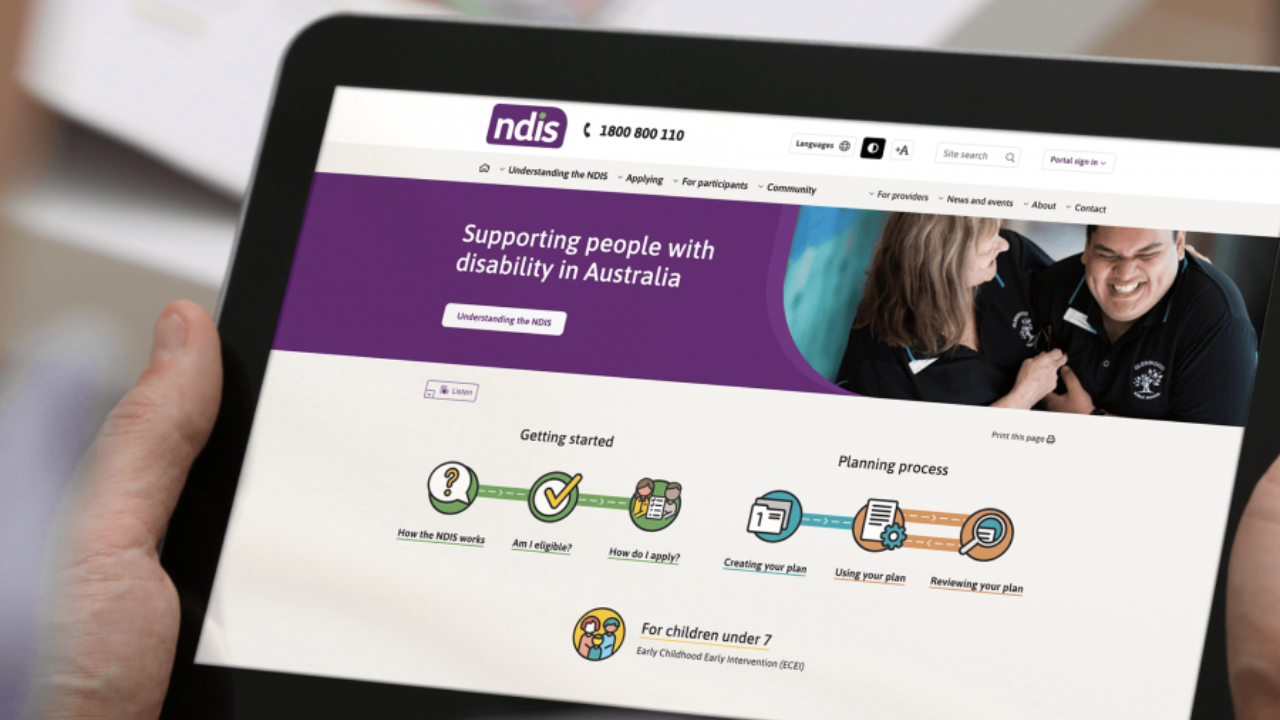
The National Disability Insurance Scheme (NDIS) provides funding to eligible Australians with disability, ensuring access to essential supports that promote independence and inclusion.
NDIS participants can use their plans to access a range of services, including therapy, housing, employment, and assistive technology. The scheme emphasizes flexibility and choice, allowing participants to customize their support according to personal goals.
Support coordination and plan management services are also available to help participants manage their funding effectively and connect with the right providers.
Disability inclusion training helps organizations, workplaces, and communities understand how to create accessible and inclusive environments.
Training programs cover topics such as disability awareness, communication strategies, and reasonable adjustments in the workplace. By fostering empathy and understanding, inclusion training strengthens social cohesion and equality.
For more details on national inclusion initiatives, visit People with Disability Australia.
High-quality disability service delivery is grounded in person-centred practice, ensuring that every individual’s needs, choices, and aspirations are at the forefront of support. Providers demonstrate a passionate commitment to delivering high-quality, person-centred support, building genuine and trusting relationships with clients.
Key principles include respect, safety, collaboration, and continuous improvement. Providers are encouraged to adopt feedback systems and transparent communication to enhance service quality.
Ongoing staff training and professional development also play a major role in maintaining excellence in service delivery.
The Forensic Disability Service is a specialist disability service dedicated to supporting individuals with disability who have complex needs and may be involved in the criminal justice system. This service provides a safe and structured environment where people can access the support they need to make positive changes in their lives.
Working in close partnership with individuals, their families, and other support services, the Forensic Disability Service develops personalised support plans that address each person’s unique circumstances. The service offers a range of specialist supports, including positive behaviour support and occupational therapy, to help individuals build new skills, improve wellbeing, and enhance their quality of life.
Committed to promoting inclusion, safety, and community participation, the Forensic Disability Service empowers people with disability to overcome challenges and achieve their goals. By focusing on positive outcomes and strong partnerships, this service plays a vital role in supporting individuals and their families throughout their journey.
Accessing disability services can be life-changing, offering pathways to independence, employment, and community connection. Whether through the NDIS, therapy, or inclusion initiatives, each service contributes to building a society where everyone can thrive. Many providers also offer support for important life transitions, such as moving from school to adult programs, ensuring a smooth and confident shift into new stages of life.
To begin your journey:
We would love to hear your story or your interest in disability support work: share your experiences or reach out to learn more about opportunities in this rewarding field.
Disability services exist to empower, to give every person the chance to reach their full potential. With the right support network, independence is not just possible, it is achievable.